Whittier highlight
Strong community identity in the San Gabriel Valley
As the largest walnut-producing region in America, Whittier was once the center of Southern California's agricultural economy and remains a tight-knit gateway city.
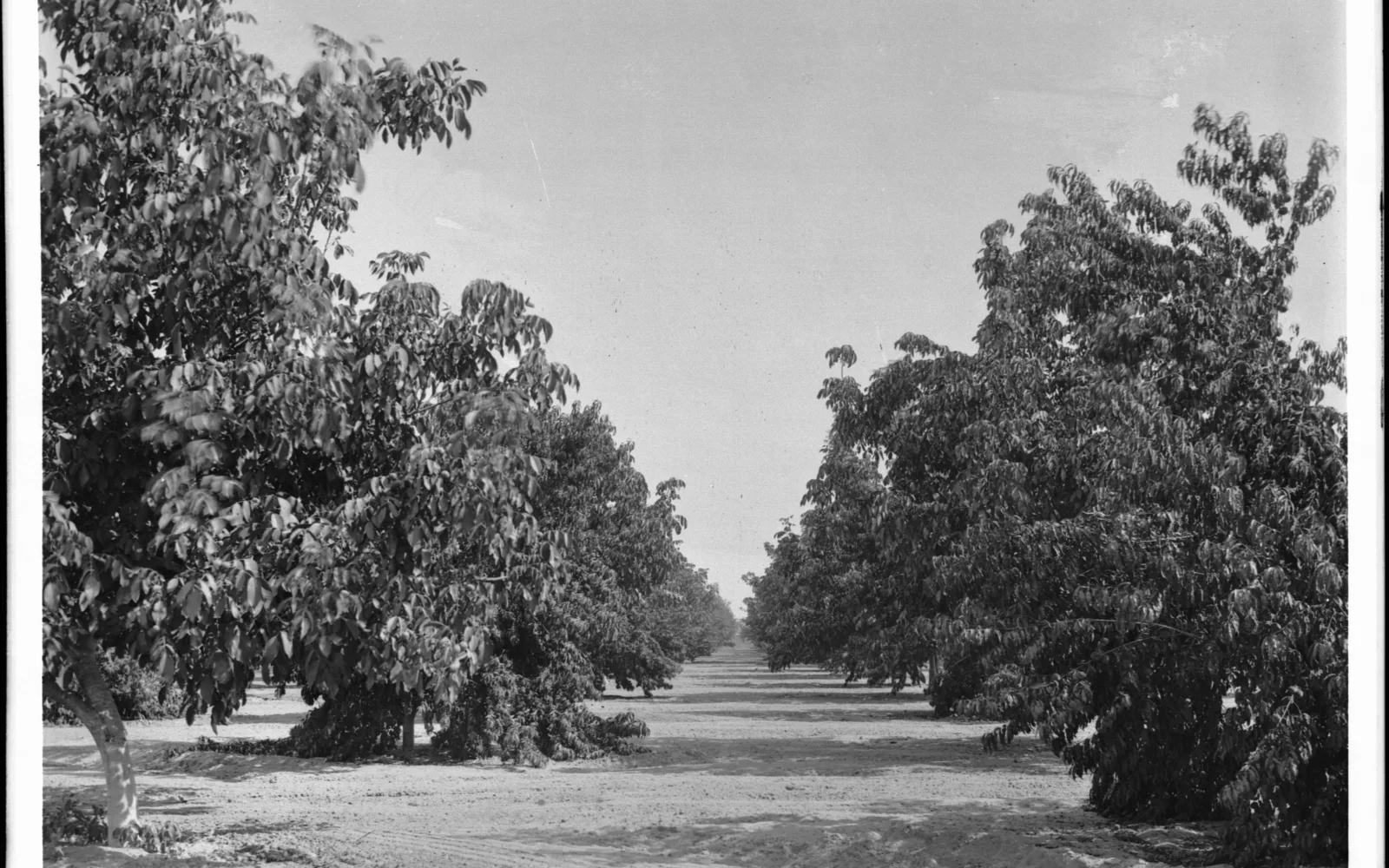
By the 1890s, Whittier had become the heart of Southern California's agricultural abundance. The Whittier Citrus Association, formed in 1901, shipped 'Quaker Brand' citrus worldwide; by 1906, the city was sending 650 carloads of oranges and 250 carloads of lemons annually by rail. Harriet Russell Strong, an agricultural innovator, began growing walnuts in Whittier in 1887, setting in motion a transformation that would make the city the largest walnut-producing area in the United States. That agricultural heritage shaped the city's identity for nearly a century.
After World War II, Whittier experienced rapid suburbanization as Southern California's housing boom reshaped the region. Orange groves gave way to residential subdivisions, and the city's character shifted from agricultural center to suburban community, but the spirit of self-reliance and community that had defined the farming era remained. Today, Whittier sits at the geographic gateway of the San Gabriel Valley—where the San Gabriel River and Rio Hondo converge through Whittier Narrows—and it remains a regional hub of about 27 municipalities, a place where families have chosen to root themselves and build together.
That stability matters when planning for the future. Households in Whittier often have generations of local ties, family businesses, or long-term commitments to the community. A life insurance policy that covers the years when those commitments matter most—a 20-year or 30-year term that aligns with a mortgage or a business loan—keeps the household's plans on track.